
|
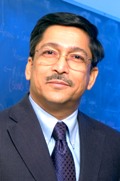
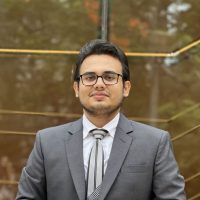
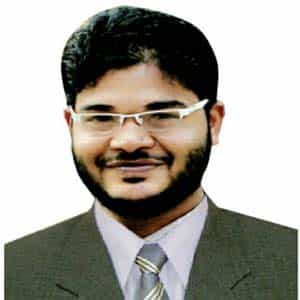
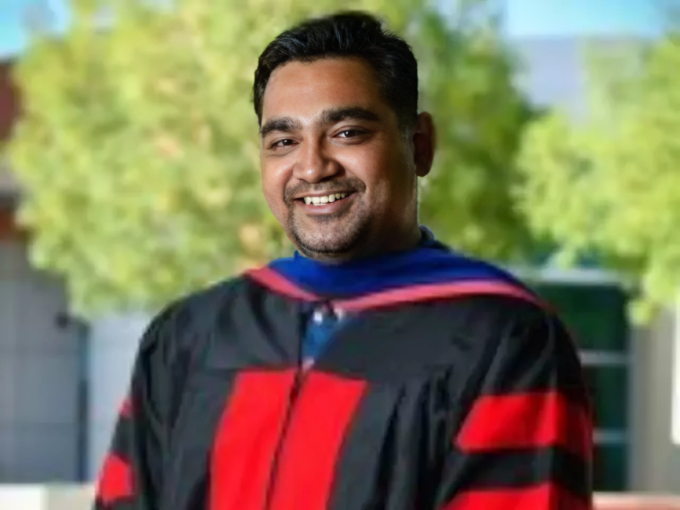
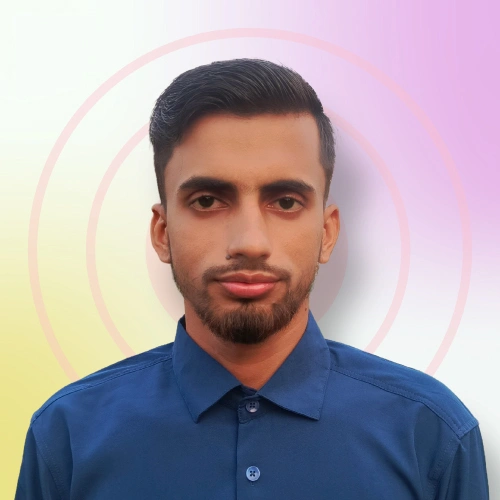
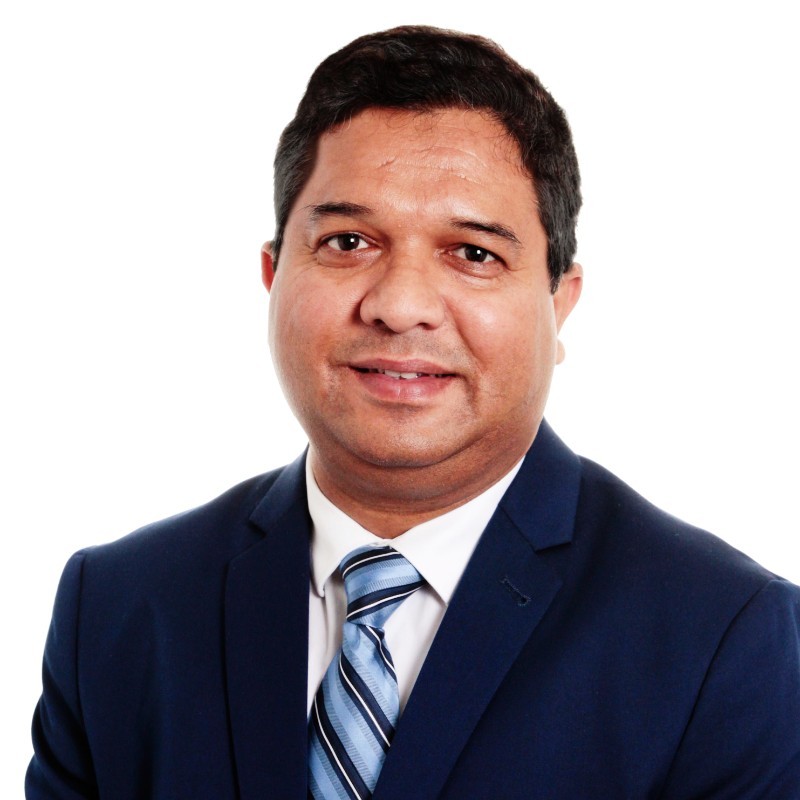
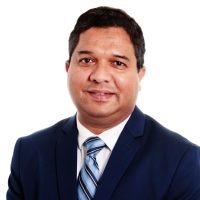
Dr. Jahangir Sultan is a farsighted financial economist. He is the Gibbons Professor of Finance and Founding Director of the Hughey Centre for Financial Services at Bentley University in Massachusetts. Jahangir's research focus spans international market volatility and foreign exchange risk management. Dr Sultan established a multi-million dollar state-of-the-art Trading Room for teaching financial analysis and risk management. Jahangir has a lengthy list of research publications and conference presentations. He teaches International Financial Management, Fixed Income and Investment, Emerging Market Finance, International Treasury Management, Principles of Financial Management, Financial Analysis and Forecasting, Money and Banking, International Trade, Business Statistics, Managerial Economics and Microeconomics.
Jahangir studied Economics and earned his Ph.D. from Arizona State University in 1986; M.S. from Western Illinois University in 1980 and B.S. from Eureka College, Illinois in 1979. During studying Economics in Dhaka University, he left Bangladesh in 1977 on a scholarship to Eureka College in Illinois. His father, late Sultan Ali, served Radio Bangladesh as Chief News Editor.
Jahangir was born in Dhaka, Bangladesh in 1958. During childhood Jahangir moved from one city to the next as his father was transferred to many places. He was caught up in the 1971 war, lived in
Chittagong, seen firsthand many atrocities committed during the war, lived
through the horror of humanity in peril and appreciated very early what freedom
is all about.
Jahangir lives with his family in Boston, USA. Beyond his research and teaching commitments, Jahangir loves social work, playing cricket, football, chess, bridge and surfing the internet for news.
Dr. Jahangir Sultan's Selected Article/Interview links:
Economist Dr. Jahangir Sultan Speaks About His Teaching Experiences
Jahangir Sultan - faculty_detail : Bentley
The impact of the listing of options in the foreign exchange
Carbon Emissions Trading: Synopsis from Jahangir Sultan
Selected Video link:
· Professor Jahangir Sultan | Emerging Issues : Bentley
We will feature Dr. Jahangir Sultan's face-to-face interview. Stay tuned!
শফিউল ইসলাম Shafiul Islam, Global Parents, Volunteer, www.unicef.ca
ইমেইল:
স্প্যামবটের হাত থেকে এই ইমেল ঠিকানা সুরক্ষিত আছে। পড়ার জন্যে জাভাস্ক্রিপ্ট অন করুন।
স্প্যামবটের হাত থেকে এই ইমেল ঠিকানা সুরক্ষিত আছে। পড়ার জন্যে জাভাস্ক্রিপ্ট অন করুন। :: ওয়েবঃ textek.weebly.com :: 20100314 :: www.linkedin.com/in/shafiul2009
SI: Dr. Jahangir Sultan - welcome to biggani.org. Tell us your most inspiring childhood memory.
JS: I was visiting our ancestral home in Noakhali when I heard that Neil Armstrong landed on the moon. That night, I stared at the moon for hours
appreciating the beauty of the moon and admiring the scientific breakthroughs
and innovations that made the moon landing possible. It was an awesome and all
inspiring event for me. In life, everything is possible.
SI: What are your critical research finding about the impact of terrorism on global market volatility and associated risk we face today?
JS:
Terrorism has direct and indirect effects. Direct effects include loss of
lives, human sufferings, destruction of wealth, and massive costs of
rebuilding. Indirect effects include loss of self esteem, feeling of
insecurity, personal anxiety, and a sense of pessimism. All these can affect
investor psychology and risk in the global market. As risk increases, global
market experiences flight to safety where investors get discouraged from
investing in stocks and instead buy government bonds. Overall, risk premium in
the market increases.
SI: In light of your research, do you think we need more socially responsible teacher-student and education-business model to address our emerging issues like extreme economic inequality in the integrated economy?
JS: Yes. Business schools are changing their curriculum to address issues like
business ethics, diversity, social and economic inequality, global conflicts,
and global peace. Efforts such as micro finance and community development
initiatives are making some positive changes in the lives of many living at the
margin of poverty. We have to recognize that we live in a world village and our
inability to address global issues will destroy peace and harmony.
SI: Today only 5% of people have command on 95% of world's wealth. Is this extreme economic inequality conducive to create more terrorism in our interconnected economy?
JS:
Yes. We need to address the root causes of terrorism which include extreme
intolerance to people of different faiths, the vicious cycle of poverty,
economic stagnation, transgression of nations, and corruption among leaders in
many developing countries. On top of it, natural calamities and global warming
have dealt punishing blows to millions of people living below the poverty
line. There has to be a massive coordinated effort undertaken by the developed
world to lend a helping hand. Foreign aid is not the solution. Any economic
assistance to the poorer countries should be aimed at reducing regional
conflicts, improving economic infrastructure, and promoting quality of life.
SI: Prof. Yunus envisions one day we will see poverty in the museum. Can micro-credit eliminate poverty?
JS: It is a good start. Micro-credit cannot weed out corruption and greed among
the politicians and business leaders. We need leaders who really care, rather
than lining up their own pockets. We need micro-lending facilities that
promote economic development without excessive debt burden on the loan
recipients. Micro-lending has to be a top priority of the government to
encourage entrepreneurs. We need cooperative credit unions in remote locations
where people need to organize and help one another. These initiatives need
government interventions and strict monitoring. And most of all, we need
forward looking education to excite the next generation to think outside the
box.
SI: What is your advice to a prospective student who has dream for higher education and changing the world?
JS:
Education lifts our spirits and opens the world to endless possibilities. With
education, we can build a world class society based upon tolerance and mutual
respect. A society that allows anyone strive for the best. Be a teacher, be a
scientist, be a social worker, be a peacekeeper. Whatever you want to become,
be the best. Changing the world is not easy. Change yourself first. Be the
person so that someone can consider you as a role model. We can change the
world by changing one village at a time. Education is a great leveler in the
world. It opens the world of possibilities to those who care to make a small
contribution. I came to the USA with $27 of own money in my pocket. I could
not have achieved all that I have without education.
SI: We appreciate your valuable time today. We look forward to our face-to-face meeting and interview.
JS: Thank you. Thank you for allowing me to share with your
readers my humble achievements.
Pictures: Skiing in New Hampshire 2005. Panel Member, Seminar on
Islamic Finance at Harvard Law School, Nov 2009.
“Earth provides enough to satisfy every man's need, but not every man's greed.” - Mahatma Gandhi
|